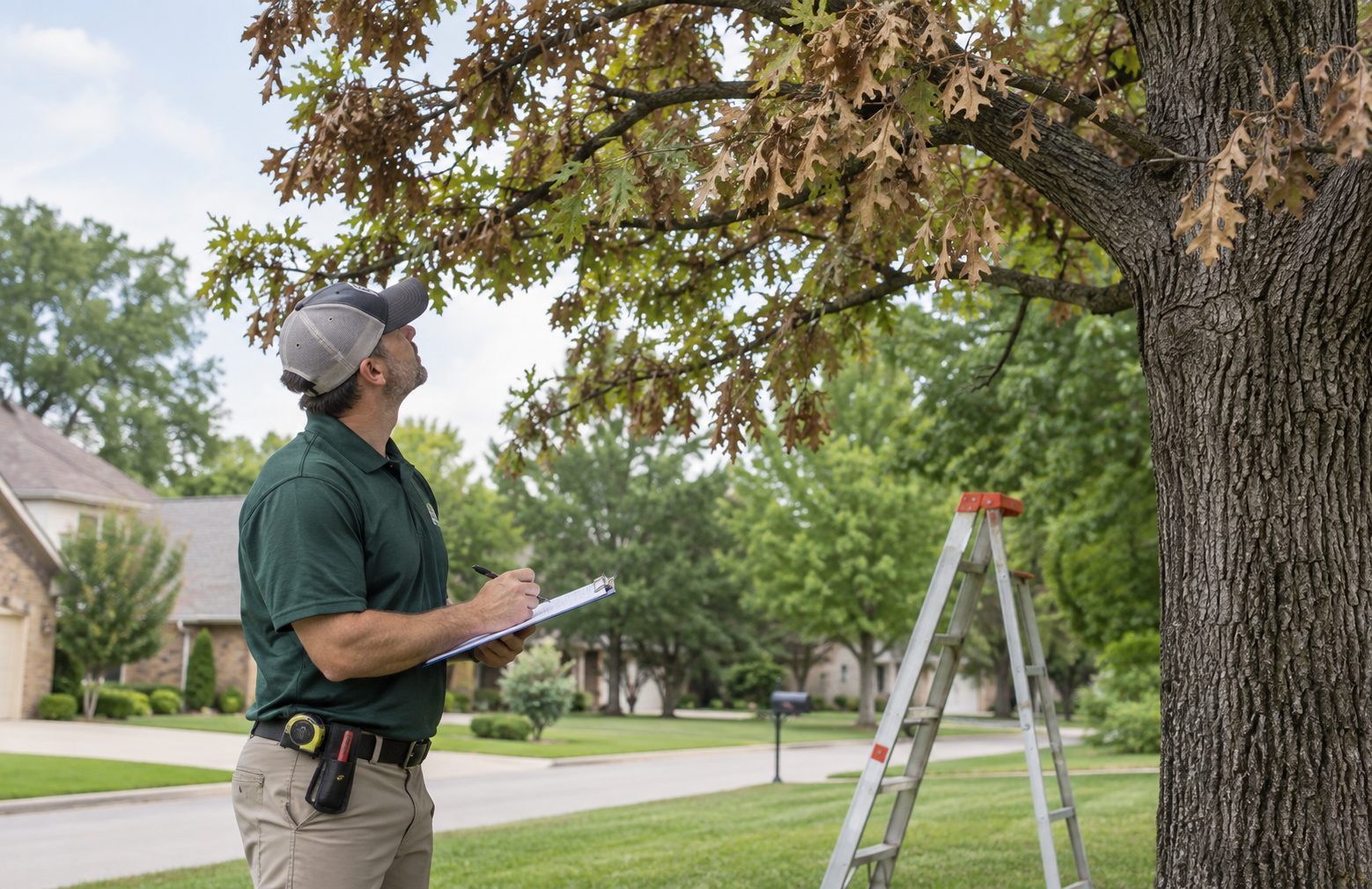
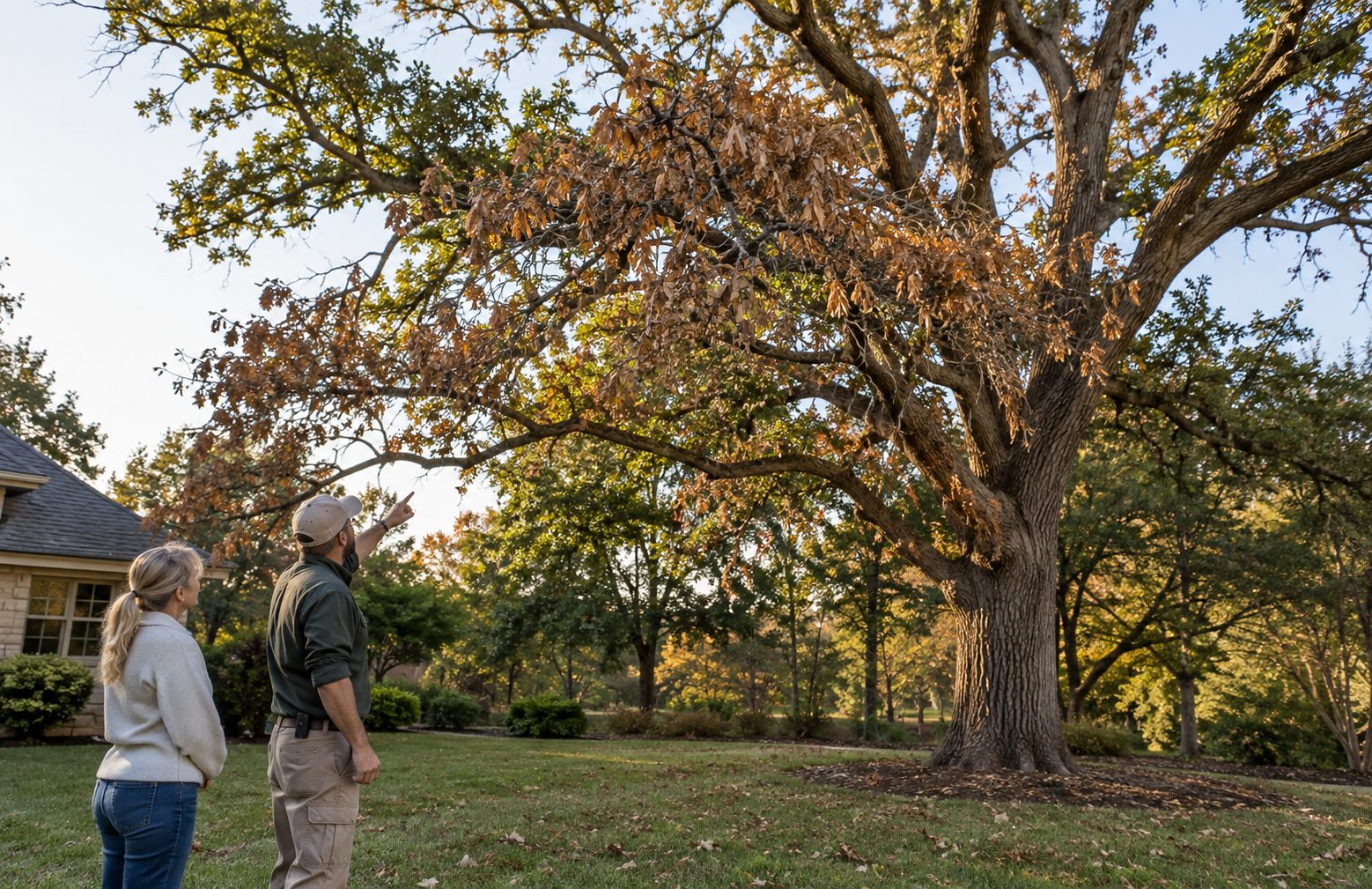
BW Tree Removal provides practical Oak Wilt support in Edgefield for homeowners, rural property owners, and managers of tree-filled lots. Careful evaluations, sensible recommendations, and safe tree handling help address declining oaks, reduce spread concerns, and protect outdoor spaces where damaged limbs, root issues, or failing trees can create avoidable hazards.
Tree Removal
Tree Trimming
Stump Grinding
Get your FREE
Quote Today
By pressing 'Get a FREE Quote' you are agreeing to our terms and conditions and privacy policy, and consenting to receive text messages. To unsubscribe, text STOP to (803) 903-4499.
Why timing matters
Why Expert Oak Wilt in Edgefield, SC Deserves Prompt Attention
Climate and Tree Stress Increase Concern: Warm weather, seasonal storms, and periods of drought stress can make oak decline more noticeable and more urgent. Fresh wounds from broken limbs or pruning may also raise concern, especially when nearby oaks share space and root competition adds pressure to already stressed trees.
Daily Routines Depend on Safe Shade Trees: When an oak starts declining over a driveway, porch, pasture gate, or backyard sitting area, everyday use of the property can change quickly. Falling limbs, heavy leaf drop, and unstable branches may create disruptions that affect comfort, cleanup time, and general peace of mind.
Property Readiness Matters for Sales and Transitions: During cleanups, move-outs, or listing preparation in Edgefield, SC, unhealthy oaks can make a property look neglected and create extra work before handoff. Addressing tree decline early helps owners prepare outdoor areas for inspections, maintenance planning, and more predictable use of the land.
Choose BW Tree Removal for Expert Oak Wilt in Edgefield, SC
Detailed Site-Specific Assessments: BW Tree Removal reviews canopy thinning, leaf discoloration, branch dieback, and surrounding tree placement before outlining next steps. That detail-focused process is especially useful on Edgefield properties where mature oaks may stand near fencing, driveways, barns, or older landscape beds that can complicate access and diagnosis.
Reliable Planning for Different Property Types: BW Tree Removal supports homeowners, rural landowners, and small commercial sites dealing with declining oaks in active outdoor areas. When a shade tree near a house, shop, or entrance lane begins failing, BW Tree Removal helps organize removal or management decisions around the property’s layout and use.
Clear Process from Inspection to Action: BW Tree Removal handles Expert Oak Wilt in Edgefield, SC with a structured approach that considers visible symptoms, nearby oak exposure, debris handling, and safe work sequencing. Property owners receive a practical path forward instead of guesswork, which helps make difficult tree decisions more manageable during stressful situations.
We hear these a lot. So, we figured we'd put the answers right here to save everyone some time.
When is the best time to schedule Oak Wilt in Edgefield, SC evaluation for a home with several large oaks?
The best time is usually as soon as unusual leaf loss, canopy thinning, or branch dieback appears, rather than waiting for severe decline. BW Tree Removal can assess large residential oaks, discuss visible risk factors, and help owners plan practical next steps before conditions worsen.
Can Oak Wilt in Edgefield, SC affect trees near a detached garage, workshop, or backyard fence line?
Yes, declining oaks near structures or fence lines can create added concerns because falling limbs, root stress, and limited access may complicate maintenance. BW Tree Removal evaluates trees near garages, workshops, and fenced areas, then explains removal or management options based on layout and condition.
What should property owners expect from Oak Wilt in Edgefield, SC service before tree removal is recommended?
Property owners should expect a review of visible symptoms, surrounding tree conditions, access limitations, and whether monitoring or removal makes the most sense. Recommendations from BW Tree Removal are based on site conditions, tree stability, and practical management needs rather than a one-size-fits-all approach.